A Simple Guide to Balancing Your Hot Tub pH
pH might be the most important number in hot tub care. Learn what it means, why it drifts, and how to keep it in the sweet spot.
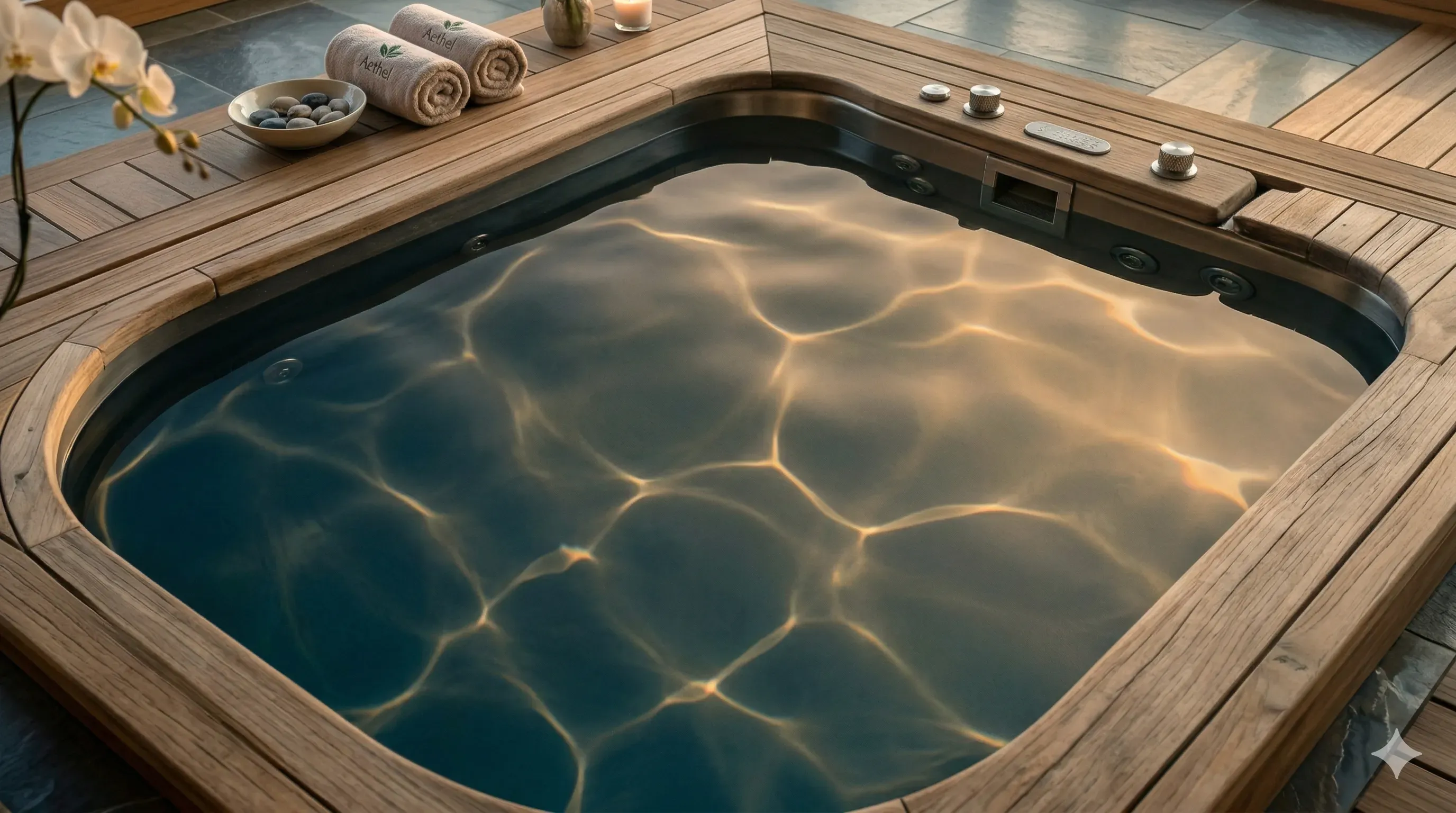
If there’s one number every hot tub owner should know, it’s their pH. It affects everything — how effective your sanitizer is, how comfortable the water feels on your skin, and how long your equipment lasts. The good news: once you understand what moves it, keeping pH balanced is straightforward.
What pH actually means
pH measures how acidic or basic your water is on a scale from 0 to 14. Pure water sits at 7.0 (neutral). For hot tubs, the ideal range is 7.4 to 7.6 — slightly basic, and very close to the pH of human tears. That’s not a coincidence. Water in this range feels comfortable and won’t irritate your skin or eyes.
Why it matters
Sanitizer effectiveness. This is the big one. Chlorine and bromine both become dramatically less effective as pH rises. At a pH of 7.2, free chlorine is about 65% active. At 8.0, it drops to just 22%. You could be adding sanitizer and wondering why the water isn’t clean — and the answer is pH.
Comfort. Water outside the ideal range causes skin irritation, red eyes, and that “chemical” smell that people associate with pools. Ironically, that smell usually means the water doesn’t have enough active sanitizer, not too much.
Equipment protection. Low pH corrodes metal components — heaters, pumps, and fittings. High pH causes scale deposits that insulate heaters and clog jets. Either extreme shortens the life of your equipment.
What makes pH drift
pH doesn’t stay put. Several things push it around:
- Bather load. Every person who uses the hot tub introduces body oils, lotions, and sweat that affect pH. The more people, the faster it drifts.
- Sanitizer type. Chlorine-based sanitizers tend to lower pH over time. Bromine is more pH-neutral.
- Outgassing. Hot water releases CO2 faster than cool water. Losing CO2 raises pH. This is why hot tubs naturally trend toward higher pH — the jets and heat accelerate outgassing.
- Source water. Your fill water’s pH and alkalinity set the starting point. High-alkalinity tap water makes pH harder to move and tends to keep it elevated.
How to adjust it
To lower pH (if it’s above 7.6): Use a pH decreaser, which is typically sodium bisulfate (dry acid). Add it in small amounts, circulate for 20 minutes, then retest. It’s easier to add more than to overcorrect.
To raise pH (if it’s below 7.4): Use a pH increaser, which is sodium carbonate (soda ash). Again, add gradually. If your pH is low but your alkalinity is fine, aerate the water instead — run the jets with the cover off for 30 minutes. The CO2 loss will naturally raise pH without affecting alkalinity.
The role of alkalinity
Total alkalinity acts as a buffer for pH. Think of it as the shock absorber — with proper alkalinity (80–120 ppm), your pH stays stable. Without it, pH bounces around with every small change.
Always adjust alkalinity first, then pH. Getting them in the right order saves you from chasing numbers in circles.
A simple testing routine
Test your water 2–3 times per week. Before you add anything, test. After you add something, wait 20 minutes with the jets on, then test again. Keep a log if you can — patterns tell you more than any single reading.
The best water care is consistent water care. Small, regular adjustments beat dramatic corrections every time.