Hot Tub Foam: What's Causing It and How to Fix It
Foam in your hot tub has a specific cause. Here's how to diagnose it by color and behavior, fix each cause, and keep foam from coming back.
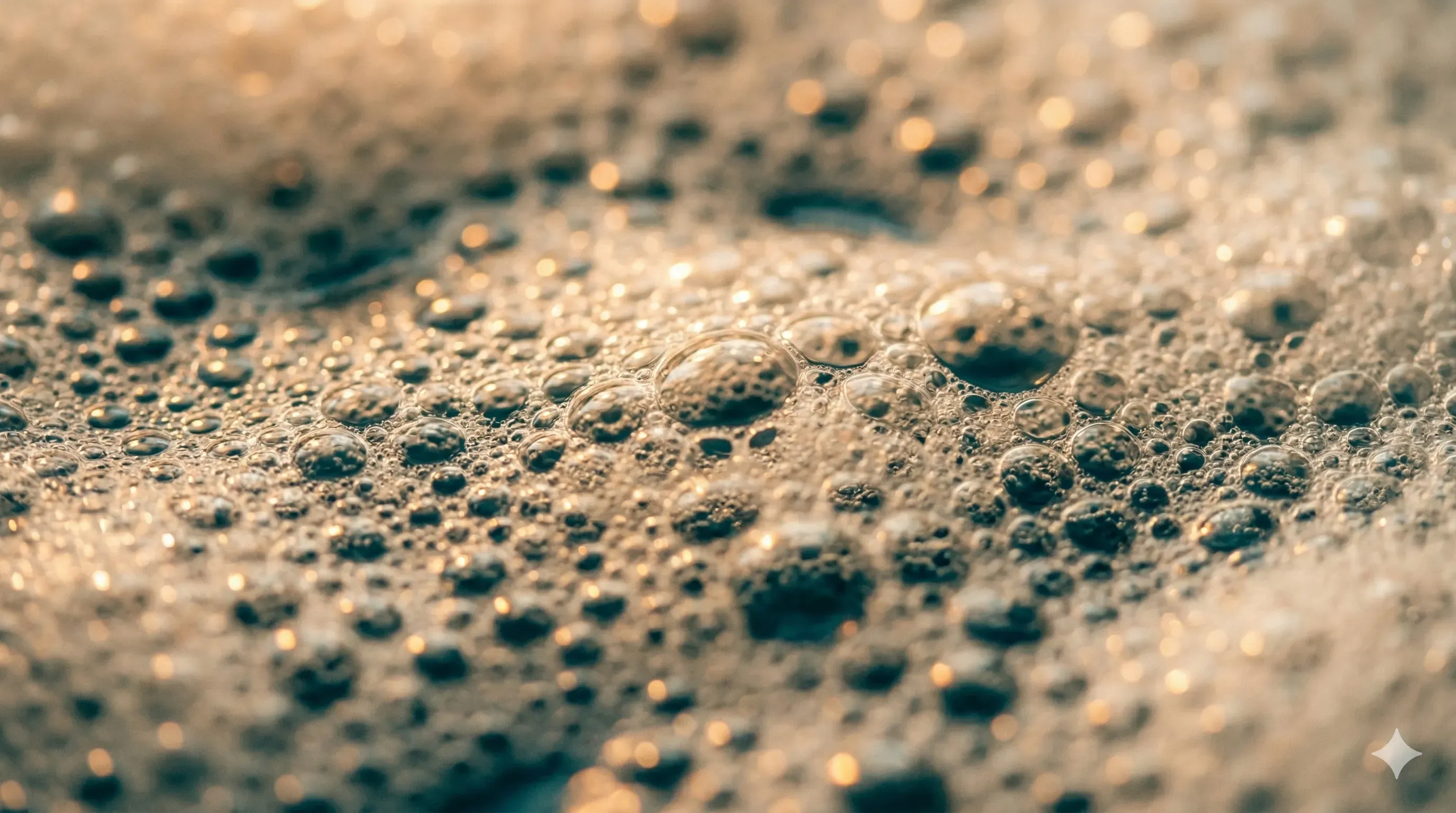
Foam means something specific is wrong with your water. It’s not random and it’s not cosmetic. Adding defoamer without finding the cause just delays the real fix. The good news is foam almost always traces back to one of a handful of causes, and each one has a different solution. The color, thickness, and timing of the foam tell you which one you’re dealing with.
Diagnose your foam first
Before you buy anything or dump chemicals in, look at the foam. It’s giving you information.
White, frothy, light foam that appears when jets kick on and fades when they stop. This is surfactant contamination. Body oils, lotions, cosmetics, or laundry detergent residue on swimsuits. The most common type by far. The contaminants were sitting in the water quietly until the jets injected air and gave them something to cling to.
Thick, persistent white foam that stays even after jets turn off. This points to low calcium hardness or high total dissolved solids (TDS). The water itself has become foam-prone, not just contaminated on the surface. Test calcium hardness immediately.
Discolored foam. Yellow, green, grey, or brown foam that smells off is biofilm. Bacteria living inside your plumbing have broken loose and entered the water. This won’t respond to normal chemical treatment. You need a line flush and a drain.
Foam that returns within hours of treating it. Either biofilm, high TDS, or water that’s past its useful life. If you shocked, filtered, and balanced chemistry and the foam came right back, the water is telling you it’s done.
Clear bubbles in perfectly balanced, clean water. That’s not chemical foam. It’s a mechanical air leak. A cracked suction line, worn O-ring, or loose jet gasket is introducing air into the plumbing. No chemical will fix a plumbing problem.
Every cause of hot tub foam (and the specific fix for each)
Laundry detergent on swimsuits
Here’s the one that surprises people: detergent residue on swimsuits is the number one cause on hot tub forums. Even after a full wash cycle, residual detergent absorbs into swimsuit fabric. When that suit hits 100 to 104 degree water with jets running, the detergent releases and you’re soaking in a washing machine.
Fix: Designate one swimsuit for hot tub use only. Never wash it with detergent. Rinse it in plain cold water after each soak and hang it to dry. If you’re already foaming, shock the tub, run the jets, and skim the foam from the surface.
Body oils, lotions, and cosmetics
Lotions, sunscreen, deodorant, hair products, makeup, and natural body oils all contain surfactants. One person who skips a shower before soaking can introduce enough to foam a 400-gallon tub. Kids covered in sunscreen are particularly effective at this.
Fix: Shower before every soak. Not a full shampoo routine. A quick rinse without soap removes the majority of what causes foam. Make it a house rule.
Low calcium hardness
Most people never think to check this. Calcium hardness below 100 ppm means softer water with lower surface tension. Lower surface tension means foam forms easily, even from trace amounts of oil or lotion that wouldn’t cause visible foam in properly balanced water.
Fix: Test calcium hardness. If it’s below 150 ppm, add calcium chloride (sold as “calcium hardness increaser”). About 1 tablespoon per 100 gallons raises calcium by roughly 25 ppm. Target 150 to 250 ppm. Add it directly to the water with jets running. This alone fixes foam for owners with soft water.
High TDS (total dissolved solids)
Every soak adds dissolved material to the water: sweat, skin cells, chemical byproducts, dissolved minerals. Unlike particles that your filter catches, dissolved solids accumulate permanently. When TDS exceeds about 1,500 ppm above your starting fill level, the water becomes saturated and persistently foamy. No amount of shocking, filtering, or chemical treatment will fix it.
Fix: Drain and refill. It’s the only fix for high TDS. Use the drain formula to prevent it: hot tub gallons divided by average daily bathers divided by 3 equals days between drains. A 400-gallon tub used by 2 people daily: 400 / 2 / 3 = about 67 days. That’s roughly every two months.
Biofilm in the plumbing
Biofilm is a slimy layer of bacteria that colonizes the inside of your pipes. It feeds on the same organic matter that causes foam. When chunks break loose, they consume sanitizer, cloud the water, and cause persistent, often discolored foam that doesn’t respond to shocking.
Fix: Before your next drain, add a line flush product. Ahh-Some is the gold standard in the Trouble Free Pool community. It’s a gel that penetrates the biofilm’s outer layer, breaks it apart, and lets water pressure flush it out. Run jets on full during the purge. You’ll see gunk rise to the surface. It’s not pretty. Drain, wipe down the shell, refill, and balance chemistry right away.
Cheap or degraded chemicals
Bargain chemicals can contain fillers and binders that act as surfactants themselves. Old chemicals that have absorbed moisture or degraded from heat exposure can cause similar problems. If foam started right after you switched to a new product, that product is the suspect.
Fix: Switch to a reputable brand (SpaGuard, Leisure Time, Natural Chemistry, HTH). Follow the dosing instructions exactly. More is never better with spa chemicals.
Splashless bleach (a common beginner mistake)
Regular bleach (sodium hypochlorite) is fine for hot tubs if you use the dichlor/bleach method. But splashless or easy-pour bleach contains surfactants like Cetyl Betaine and Sodium Xylene Sulfonate that make it pour without splashing. Those surfactants turn your hot tub into a bubble bath. We’ve all been there. Late-night store run, grab the wrong bottle without reading the label.
Fix: Drain and refill. The surfactants in splashless bleach are difficult to neutralize. Going forward, only use plain, unscented bleach with no additives. Check the ingredients for “sodium hypochlorite” and nothing else.
Air leaks in plumbing
If you see persistent bubbling in clean, balanced water, the problem isn’t chemical. Air is entering through a cracked suction line, worn O-ring, deteriorated jet gasket, or improperly seated fitting. This creates mechanical foam that looks different from chemical foam: clear, uniform bubbles rather than thick, soapy-looking suds.
Fix: Inspect jet gaskets for wear. Check suction-side plumbing for cracks or loose unions. Make sure all valves are fully open. After a refill, fill through the filter standpipe to prevent air locks. No chemical product will fix a plumbing leak.
How to get rid of foam right now
If you need the foam gone today, here’s the order of operations:
- Test your water. Check pH, alkalinity, calcium hardness, and sanitizer. If calcium is below 150 ppm, raise it first.
- Shock the tub. Use your normal shock dose. Run jets on high for 15 to 20 minutes to bring contaminants to the surface.
- Skim the foam. Use a small bucket or pool net to physically scoop foam off the surface. This removes the surfactants faster than waiting for chemicals alone.
- Clean or replace the filter. A dirty filter loaded with oils can’t do its job. If it’s been more than a month, pull it and soak it in filter cleaner overnight.
- If foam persists after all that, the water is past its useful life or biofilm is the cause. Time to drain, flush the lines, and start fresh.
What about defoamer? It works in seconds. Pour a capful on the foam and it collapses. But here’s why experienced hot tub owners almost universally consider it a waste: defoamer is silicone-based. It doesn’t remove surfactants. It just temporarily disrupts the surface tension holding the bubbles together. The foam comes back. Worse, the defoamer itself adds to your TDS, which accelerates the underlying problem. Use it once if guests are coming in an hour and you need a quick fix. But never as a regular maintenance product.
How to prevent foam for good
Shower before you soak. A quick rinse removes most of the lotions, oils, and cosmetics that cause foam. Honestly, this one habit prevents more foam problems than any product you can buy.
Dedicate a swimsuit. One suit for the tub, never washed with detergent, just rinsed in plain water. This kills the single most common foam source on every hot tub forum.
Keep calcium hardness above 150 ppm. Especially if your fill water is soft. Test monthly and add calcium chloride when it drops. Foam-prone water is almost always low-calcium water.
Use an enzyme product weekly. Natural Chemistry Spa Perfect or Spa Marvel break down organic matter (oils, lotions, dead skin) before it can accumulate into surfactant levels that cause foam. They’re not magic and they don’t replace sanitizer, but they reduce the organic load between drains. About 1 ounce per 100 gallons per week for Spa Perfect.
Drain on schedule. Don’t wait for problems. Use the drain formula (gallons / bathers / 3) or drain every three to four months for average use. Fresh water solves more problems than any chemical adjustment.
Frequently asked questions
Is it safe to soak in a foamy hot tub? Foam itself won’t hurt you, but it signals a water quality problem. Low sanitizer behind the foam means bacteria can thrive. If foam is discolored or smells off, that’s biofilm, and you should stay out until you’ve treated the water and confirmed sanitizer levels are back in range.
Why does my hot tub foam only when the jets are on? Jets inject air into the water. If surfactants are present from body oils, lotions, or detergent residue, that air gets trapped in a thin film of surfactant molecules and creates visible foam. The contaminants were always there. The jets just revealed them.
Does hot tub defoamer actually work? It collapses foam within seconds, but it’s a band aid. Defoamer doesn’t remove the surfactants causing the problem. It just temporarily breaks the surface tension. If you’re reaching for defoamer regularly, something else in your water needs fixing.
Can laundry detergent on my swimsuit cause hot tub foam? Yes, and it’s one of the most common causes. Residual detergent absorbs into swimsuit fabric and releases in hot water. Designate one swimsuit for hot tub use only and rinse it in plain water after each soak instead of washing it with detergent.
Why does my hot tub foam even after I drain and refill? Biofilm inside the plumbing survives a simple drain. Bacteria and organic buildup cling to pipe walls and get flushed into fresh water as soon as the jets run. Use a line flush product like Ahh-Some before draining to purge the plumbing, then refill.
How do I prevent hot tub foam? Shower before every soak, designate a detergent free swimsuit, keep calcium hardness above 150 ppm, maintain sanitizer levels, and drain on schedule. An enzyme product like Natural Chemistry Spa Perfect used weekly breaks down oils before they can form surfactants.