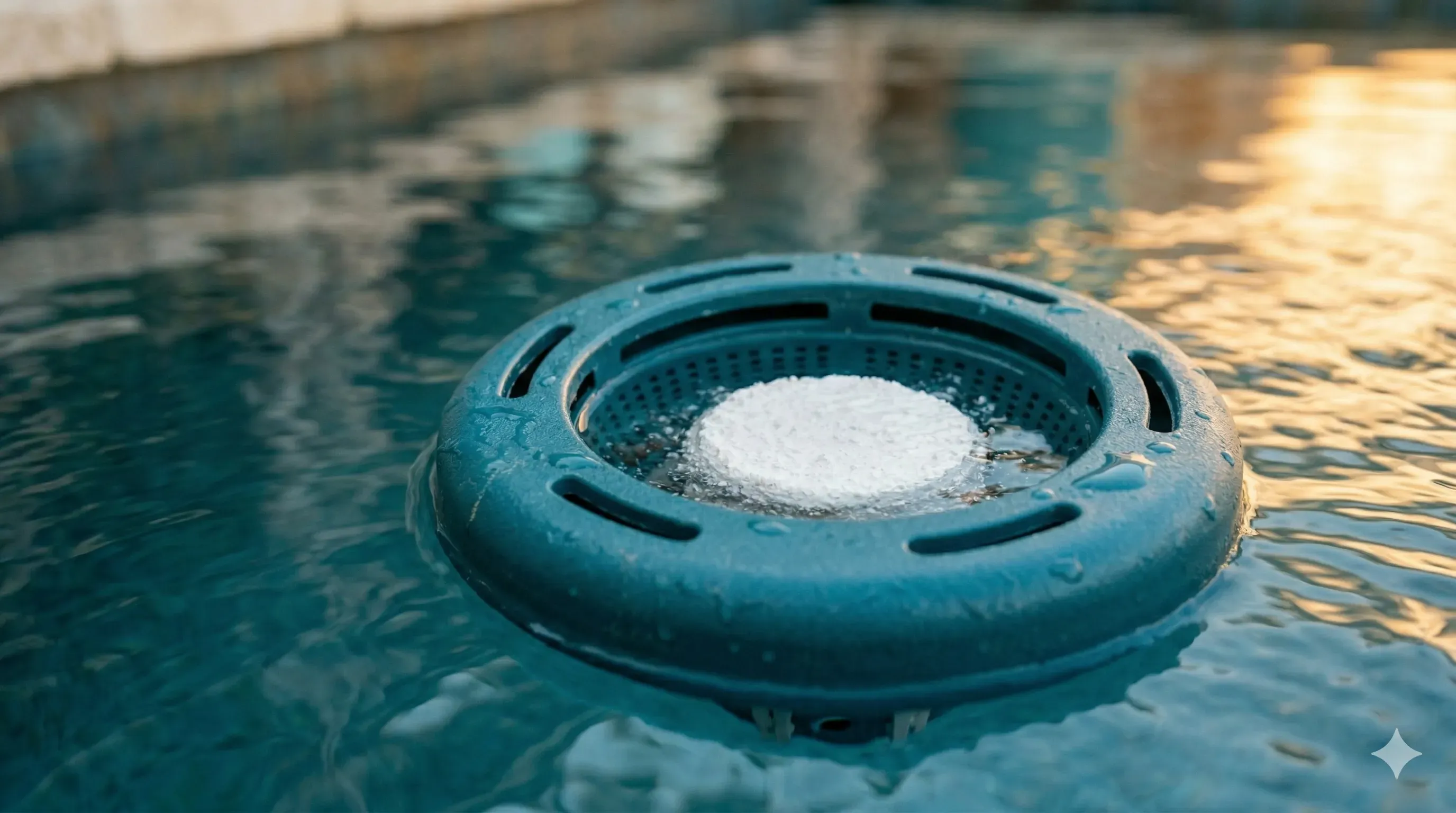
Hot Tub Troubleshooting: Fix Every Water Problem
Something wrong with your hot tub water? Find your symptom below and follow the fix. Covers cloudy water, foam, smell, skin irritation, and more.
Hot tub water gives you signals when something is off. The trick is knowing which signal points to which problem, because the wrong fix wastes product and time.
Find your symptom below. Each one links to a detailed guide with specific chemistry, dosing amounts, and step-by-step instructions.
The water is cloudy or milky
The most common complaint. Cloudy water has over ten possible causes, but low sanitizer is behind it more than half the time.
Quick check: Test free chlorine or bromine. Below 1 ppm? That’s almost certainly your answer. Shock and run the filter.
If sanitizer is fine: Check pH (above 7.8 causes mineral haze), inspect the filter, and test calcium hardness.
Full guide: Cloudy Hot Tub Water: Every Cause and How to Fix It
The water smells like chemicals
That harsh “chlorine” smell doesn’t mean too much chlorine. It means too little. The odor comes from chloramines, waste compounds that form when free chlorine gets used up fighting organic contaminants from bathers.
Quick check: Test both free chlorine and total chlorine. If total is higher than free by more than 0.5 ppm, you have combined chlorine (chloramines).
The fix: Shock hard. You need to reach breakpoint chlorination to destroy them. A timid dose makes it worse.
Full guide: Hot Tub Smells Like Chlorine but Chlorine Is Low
The water feels wrong on your skin
Slippery or soapy? pH is too high (above 7.8). Dry, tight, or itchy? pH is too low (below 7.2). Red eyes and skin irritation can also come from chloramines or bromine levels that are out of range.
Quick check: Test pH and alkalinity. Adjust alkalinity first if it’s outside 80 to 120 ppm, then correct pH.
Full guide: A Simple Guide to Balancing Your Hot Tub pH
There’s foam on the surface
Thin foam when jets are running is normal. Foam that sticks around after the jets turn off is not. The usual culprits: body lotions, deodorant, laundry detergent residue on swimsuits, low calcium hardness, or old water with high TDS.
Quick check: When did you last drain? If it’s been more than 3 to 4 months, old water is the likely cause. If the water is fresh, it’s almost certainly body product contamination.
The fix: Shower before soaking, rinse swimsuits in plain water, and shock weekly to oxidize the organic load.
The water is green or has a tint
Green usually means algae (rare in properly sanitized tubs) or dissolved copper from your source water or corroding components. Brown or rust color points to iron. Both are metal problems rather than sanitizer problems.
Quick check: Test sanitizer levels. If they’re fine, the color is from metals. If sanitizer is at zero, algae is the more likely cause.
The fix: For metals, use a sequestering agent and let the filter trap them. For algae, shock heavily and scrub surfaces. Test your fill water if color keeps returning after a drain.
Sanitizer disappears fast
You add chlorine, test an hour later, and it’s gone. This is called chlorine demand, and it means your water has a heavy organic load or contaminant source consuming sanitizer faster than you can add it.
Possible causes: Biofilm in the plumbing, old water with high TDS, heavy bather load, or CYA buildup making chlorine less effective.
Quick check: Test CYA if you use dichlor. Above 50 ppm, chlorine’s germ-killing speed drops even when test strips look normal.
Full guide: Why Your Hot Tub Won’t Hold Chlorine covers 7 causes and fixes. How to Shock a Hot Tub covers the treatment.
Scale buildup on surfaces or equipment
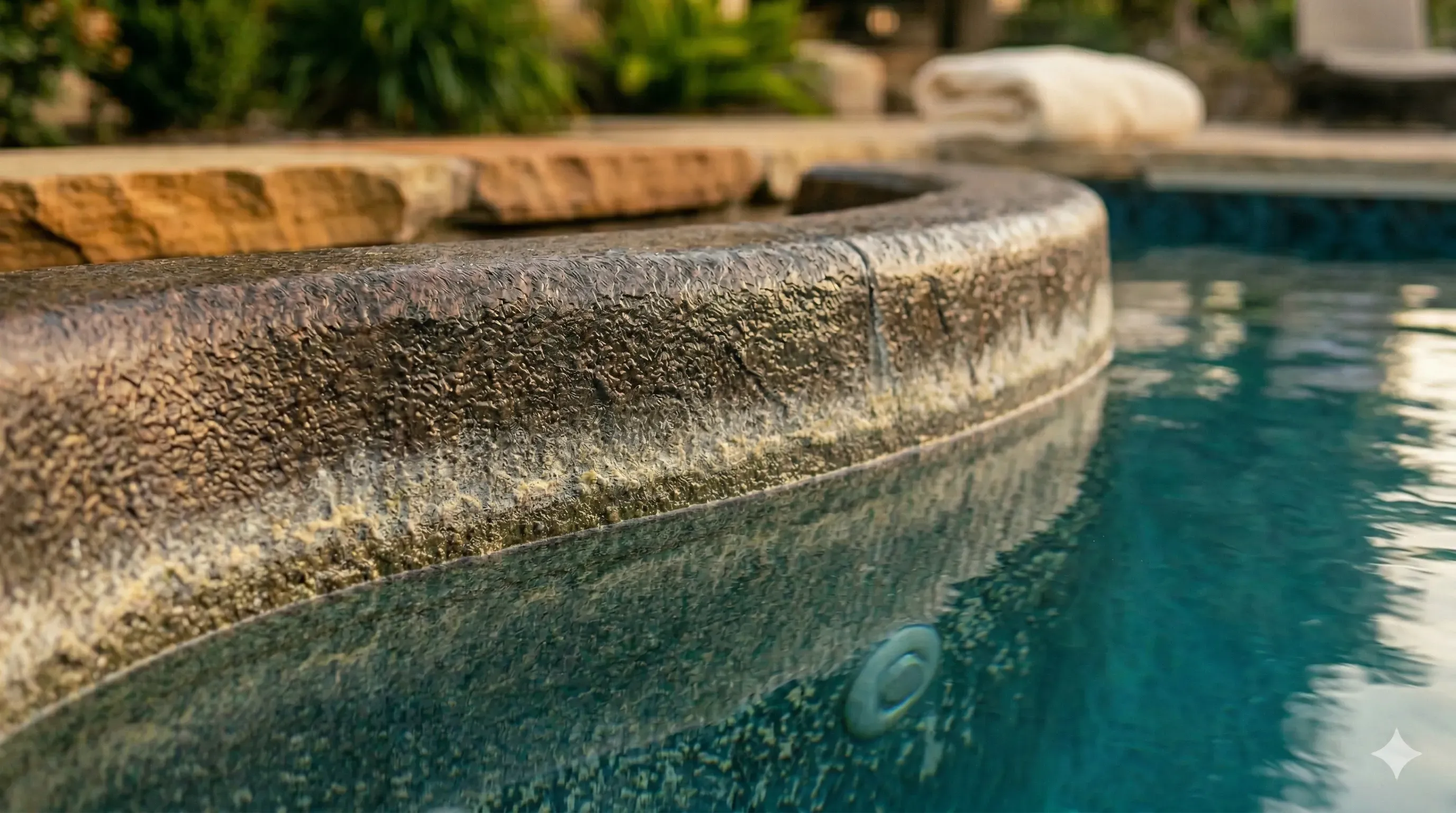
White crusty deposits on the shell, jets, or heater element. This is calcium scale from hard water, high pH, or both.
Quick check: Test calcium hardness. Above 300 ppm combined with pH above 7.8 is a recipe for scale.
The fix: Lower pH and alkalinity to reduce precipitation. For existing scale, white vinegar on a cloth removes it from accessible surfaces. Long term, managing your source water is the real solution.
Full guide: Hard Water and Your Hot Tub: Why It Matters
When to stop troubleshooting and just drain
Some problems aren’t worth fighting through. Drain and start fresh if:
- You’ve been battling the same issue for more than a week with no improvement
- The water is more than 4 months old
- Chlorine demand is so high that sanitizer vanishes within an hour no matter how much you add
- You see or smell biofilm (white/brown flakes from jets, persistent slime on surfaces)
A plumbing flush before draining clears biofilm that would otherwise contaminate your fresh fill. Twenty minutes of flushing saves you from repeating the whole cycle.
Prevent problems before they start
Most water issues come from inconsistency: skipped tests, delayed shocking, running out of sanitizer. A basic understanding of water chemistry fundamentals and a regular maintenance schedule take about 15 to 20 minutes per week and prevent nearly everything on this page.
Frequently asked questions
What is the most common hot tub water problem? Cloudy water, by a wide margin. Low sanitizer is the cause most of the time. If free chlorine is below 1 ppm, that’s where to start. Shock the tub, run the filter continuously, and most cloudiness clears within 6 to 12 hours.
Why does my hot tub water look fine but smell bad? Chloramines. When free chlorine reacts with sweat and body oils, it forms combined chlorine that smells harsh but has almost no sanitizing power. Your free chlorine has been consumed. The fix is a strong shock to blow past the breakpoint and destroy the chloramines.
How do I know if my hot tub water is safe? Test it. Free chlorine should read 3 to 5 ppm (or bromine 3 to 5 ppm), pH should be 7.4 to 7.6, and the water should be clear with no strong chemical odor. If you can’t remember the last time you tested, test now before getting in.
Should I drain my hot tub if I can’t fix the water? If you’ve been fighting for more than a week, yes. Your time is worth more than 300 gallons of water. Flush the plumbing with Ahh-Some or Oh Yuk before draining to clear out biofilm, then refill and rebalance from scratch.